
Step 01
Joint mobilization & adjustment
Gentle and specific movements applied to the affected joints to restore movement and correct alignment. The goal is re-establishing joint balance, restoring function, and reducing symptoms.
Every case begins with a detailed medical history and a comprehensive physical examination, plus X-rays when they are necessary. We identify the underlying cause first, then focus the treatment on correcting it, not just covering the symptoms.
Gentle and specific movements applied to the affected joints to restore movement and correct alignment. The goal is re-establishing joint balance, restoring function, and reducing symptoms.
We work on the tight and painful muscles that often accompany an underlying joint problem. Through massage and stretching, pain is often reduced and better motion can be restored to the joints.
We design a specific stretching and strengthening exercise program. It is essential for full functional recovery. Without this step, the underlying imbalance and weakness is often not corrected, setting the patient up for relapse and recurrence.
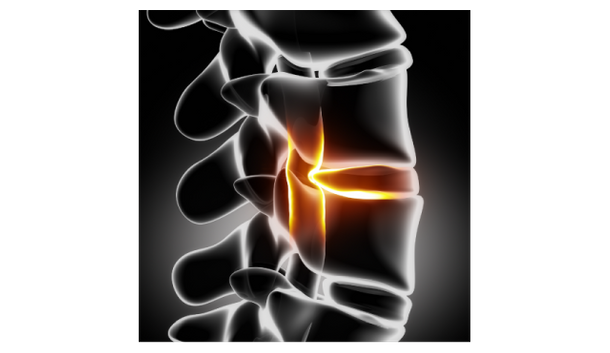
Spinal injuries respond best to a combination of spinal mobilization, adjustment, and the right exercises. Most patients see substantial improvement within two to three weeks: less pain, less swelling, less muscle tension.
Localized pain around the injured spinal joint. The pain may radiate into the buttock or down the leg and may be accompanied by significant spasm.
Pain typically felt between the shoulder blades, sometimes extending into the shoulder muscles. Rib injuries can refer pain through this area too.
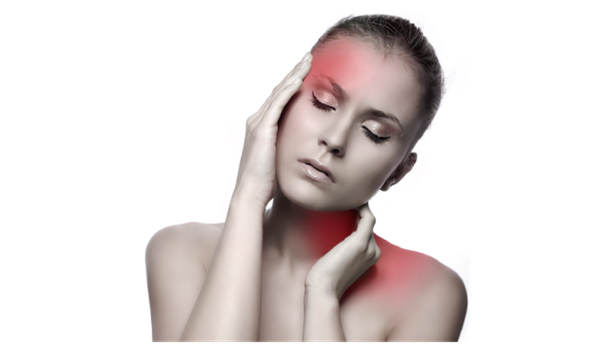
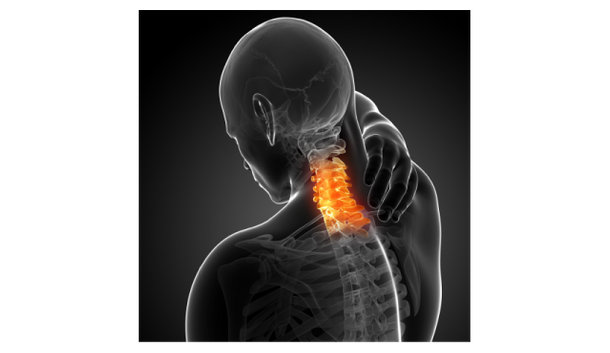
Pain felt locally in the neck, traveling up to the base of the skull and head, or radiating into the shoulder muscles and down the arm.
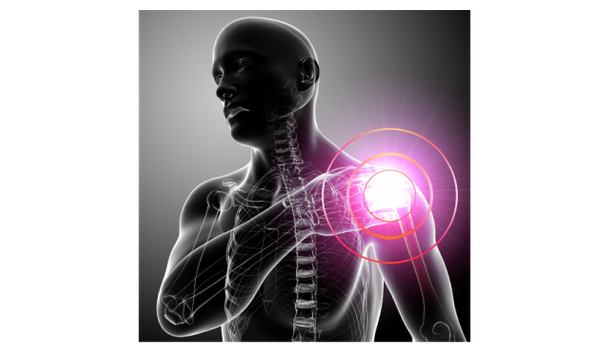
Joints work as a system. We identify the actual strained structure (tendon, ligament, capsule, cartilage), treat it directly, and then build it back up with rehab. Treatment reduces inflammation, calms muscle spasm and rebalances the joint.
Referred pain from the neck and upper back, rotator cuff tendinitis and impingement (one of the most common causes of shoulder pain), and mild to moderate rotator cuff tears.
Osteoarthritis (wear and tear affecting cartilage), overuse and repetitive strain injuries, and trauma from sports, falls or twisting injuries.
Hip osteoarthritis treated through symptom reduction, plus sports-related trauma and overuse. Rehabilitation exercises are prescribed for full resolution.
Elbow, wrist, ankle, foot and jaw pain are all treated here too.
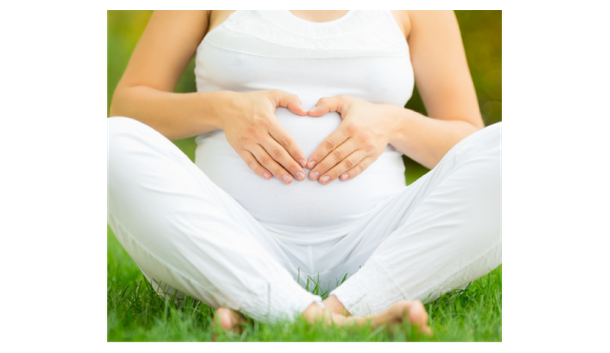
A large percentage of women experience back and pelvic pain during pregnancy as the centre of gravity shifts and the spine and pelvis carry more load. Regular chiropractic care can support an easier, safer, more natural delivery.
The pelvis is made of three bones that must move and open in sequence during labour. Misalignment in that system makes the work harder.
Efficient, coordinated uterine contraction is crucial. Misalignment in surrounding joints can impair the nerve supply that drives that contraction.
When the uterus is balanced and ligament tension is even, the baby has more room and a higher likelihood of ideal positioning. Research supports the Webster Technique for breech and transverse presentations.
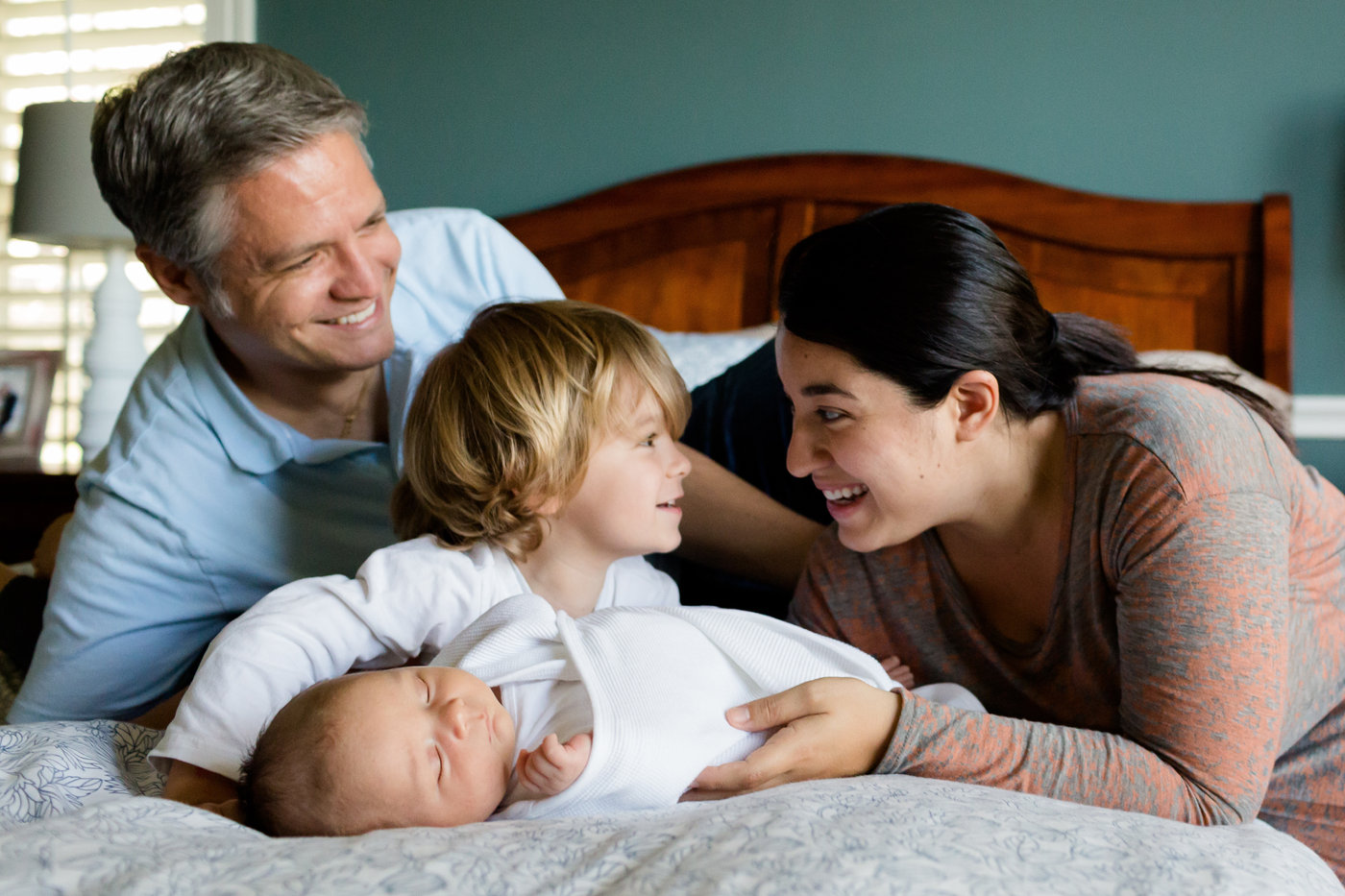
Children are not small adults. The technique we use scales by size and stage: very light touch and pressure for infants, gentle rocking through the joints, no twisting or turning. A parent holds the baby through the whole visit.
Neck injuries that present as torticollis or a "crick" in the baby's neck, shoulder and hip injuries from birth trauma, digestive discomfort and gassiness, colic (chiropractic has been proven highly effective here), and flat spots on the head (positional plagiocephaly).
Almost any injury an adult gets, we have seen in children. Aches, pains and headaches, posture concerns, and general alignment as they grow.
Light fingertip motions through joints. Gentle rhythmic rocking of the spine to re-establish balance. As children grow, treatment adapts: independent table positioning, comfort supports, more like a small-adult visit.
A surprising number of headache cases trace back to upper-cervical joint irritation. Once we settle the neck, the headache pattern often settles with it.
We treat both the muscle component (the tight, painful soft tissue) and the joint component, then build forward with posture and strengthening so it does not keep returning.
No medical referral is ever necessary. We will help with the paperwork so the focus stays on getting your neck back.
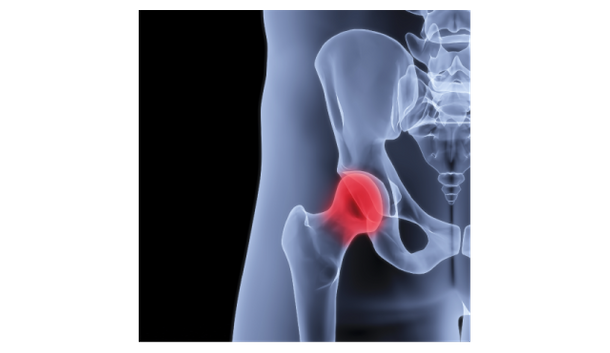
Hip osteoarthritis is treated through symptom reduction and joint mobilization. Sports trauma and overuse injuries are addressed with a combination of gentle adjustment and a specific rehabilitation program for full resolution.