
Ten ways we take care of your eyes.
From the eye exam your family is overdue for to specialty care for dry eye, myopia and emergencies, every service we offer is delivered by our six doctors of optometry in one comforting Park Place clinic.
Adult & Senior Eye Exams
Eye exams are an important part of preventive health care. We provide a thorough checkup for eyes of all ages, both to help everyone in your family see properly and to detect early signs of eye disease.
We prioritise taking the time to get to know you and your family and tailor our treatments to your unique needs. We are happy to explain procedures or tests to help you feel comfortable.
How often do I need an eye exam?
Children and seniors should have annual eye exams, and healthy adults should have an eye exam at least every two years. Patients with diabetes, high myopia, or other vision conditions should have more frequent examinations. We will work with you and your needs to determine the best exam schedule for your eyes.
What happens during an eye exam?
When you walk in, our friendly team greets you. For new patients we ask about your health history, lifestyle and current medications, discuss your family history, and address any concerns. During the exam we carefully evaluate both internal and external structures of the eye using modern technology. We measure your visual acuity, assess colour vision, depth perception, how your eyes work as a team, and the way your pupils respond to light.

Children's Eye Exams
It is never too early to focus on your children's eye health and vision. Their sense of sight is important at every age and every stage of development. Our optometrists are experienced with children and can put them at ease. Many kids even think their eye exams are fun.
When do children need eye exams?
- A comprehensive baseline exam between ages 6 and 12 months
- Another comprehensive exam between ages 3 and 5
- Annual exams from before 1st grade through adulthood
Proper vision can be beneficial for your child's success, in life and academics. Visual skills are needed for social, cognitive and motor skill development. Children who start school with undiagnosed vision problems may struggle to keep up in class and can be misdiagnosed with ADHD or another behavioural disorder.
How do I know if my child needs glasses?
Kids often cannot articulate a vision problem and may not even know there is one. Symptoms can include tiredness, poor concentration, or difficulty keeping their place while reading. They may also develop conditions like strabismus (eye turn) or amblyopia (lazy eye) that standard glasses cannot fix alone. Bringing your child for regular eye exams lets us establish a baseline and catch problems early.
Contact Lens Exams, Fittings & Brands
Contact lenses give you the option to go glasses-free for sports, fashion, or just because you want to. With education and support, even kids can wear contacts safely. Our experienced team offers professional fittings, training on insertion and removal, and various lens types for many prescriptions and lifestyles.
Finding your fit
A contact lens prescription differs from your regular eyewear prescription. After all, contact lenses sit directly on the cornea, so they are a medical device that requires careful fitting. We evaluate your overall eye health and take measurements to get the sizing right. We discuss your lifestyle, vision needs and what you want out of contact lens wear.
Caring for contacts
- Remove your lenses before you go to sleep
- Book annual exams to check that your eyes still tolerate lenses well
- Do not shower, use a hot tub, or swim while wearing contacts
- Only clean with recommended contact lens solution, never tap water
- Wash and dry your hands thoroughly before handling lenses
Our contact lens brands
ACUVUE, Alcon, Bausch + Lomb and CooperVision are the four families we fit and refill. Each has a wide range of lens designs for daily, monthly, multifocal and specialty needs.

Diabetic Eye Exams
Diabetes rates in Canada continue to climb, with now over 11.7 million Canadians living with diabetes. Many people don't always consider the eye impacts. The truth is diabetes is a leading cause of blindness in adults, so we recommend that people with diabetes have annual, comprehensive eye exams.
How diabetes affects vision
- Blurry vision from fluid build-up causing the eye's lens to swell
- Diabetic retinopathy, where retinal blood vessels swell, break and bleed into the macula
- Diabetic macular edema, leaking fluid into the macula, impacting central vision
If you have diabetes, it is imperative that you get your eyes examined regularly and have retinal imaging. Close examination of the retina can help detect early signs of serious vision problems.
Eye Disease Diagnosis & Management
Your vision is precious. Do not let preventable eye disease get in the way. At Byron Optometry, we believe that early diagnosis is key to protecting and preserving your vision. We use a variety of diagnostic technology to get an in-depth look at your eyes, and if you need treatment we will help ensure you are comfortable and informed throughout the entire process.
Common eye diseases we monitor and manage
- Age-Related Macular Degeneration (AMD) affecting central vision
- Cataracts, clouding of the eye's lens, typical after age 60
- Diabetic retinopathy from elevated blood sugar damaging retinal vessels
- Dry eye disease, often chronic and uncomfortable
- Glaucoma, the number one cause of blindness in Canada, often symptomless
- Retinal detachment, an emergency that requires immediate care

Myopia Control
Myopia, or nearsightedness, is a common condition typically diagnosed during childhood. Your child may not notice the problem or may find it hard to communicate. We can spot the signs early and slow the progression.
Risk factors
- Less time spent outdoors
- Increased screen time
- Family history of myopia
Our myopia control techniques
- Myopia control spectacles with dimpled edges that signal the eye to slow growth
- Multifocal soft contact lenses with two zones for clear vision at all distances
- Orthokeratology (ortho-k), lenses worn overnight that reshape the cornea
- Atropine eye drops that dilate pupils and relax focusing to slow eye growth
Dry Eye Therapy
It is estimated that 30% of Canadians are affected by dry eye, making it one of the most common conditions seen by eye care professionals. Not only is it irritating, it can put a damper on your daily activities. Relief is available.
Symptoms
- Stinging or burning
- Gritty or scratchy feeling, foreign body sensation
- Red or watery eyes, blurry vision
- Sensitivity to light, eye fatigue
- Stringy mucus, or discomfort while wearing contacts
Two main types
Decreased tear production, often caused by contact lens wear, normal ageing, certain medications, conditions like lupus or Sjögren's syndrome, or recent laser correction surgery. Poor-quality tears, caused by imbalance in the tear film's three layers (mucus, water, oil), often linked to blocked meibomian glands.
When we diagnose your dry eye syndrome, we look at the condition of your meibomian glands and recommend treatments if they are not functioning properly.
Digital Eye Strain
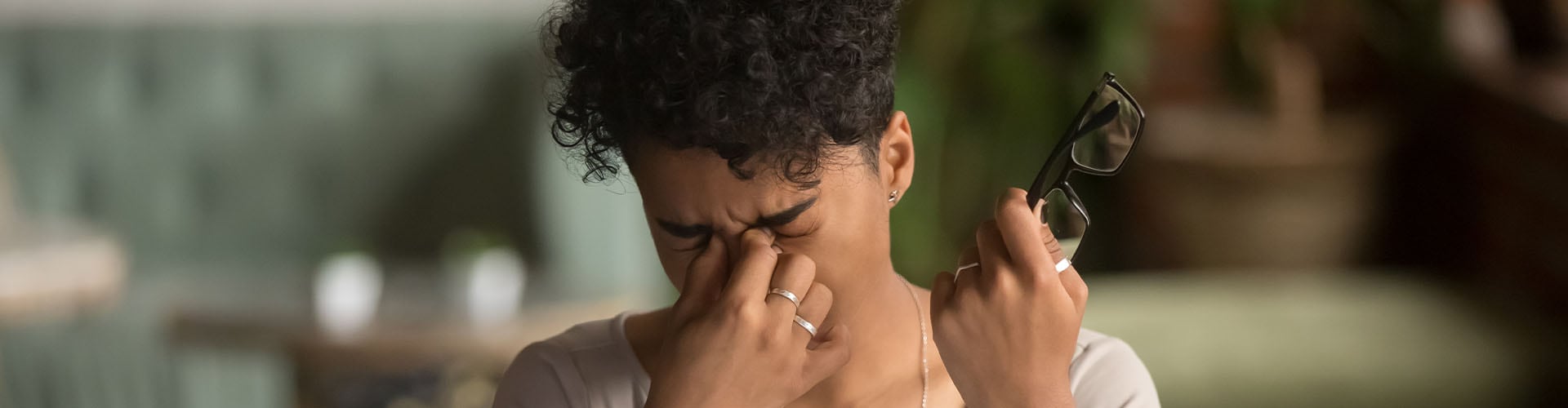
An estimated 65% of Canadians suffer from discomfort related to digital eye strain. Also known as computer vision syndrome, it refers to ocular issues stemming from too much time spent on digital devices.
Common symptoms
- Dry eyes, headaches, eye strain
- Blurry vision
- Neck and shoulder pain
Strategies that actually help
- Ergonomics: sit upright, feet flat, device at eye level, keyboard and mouse close
- Settings: larger fonts, comfortable contrast, screen brightness matched to room lighting
- Anti-glare coatings on screens and glasses to cut reflection
- 20-20-20 rule: every 20 minutes, look at something 20 feet away for 20 seconds
- For kids: follow WHO recommendations for screen limits and encourage outdoor play

Emergency Eye Care
Eye injuries or trauma can be stressful and frightening. Your eyesight is precious, and anything that might put it at risk needs to be dealt with immediately. When an accident occurs, call our office right away. We always try to accommodate same-day emergency visits to assess your situation and recommend the next steps. If our office is closed, proceed to your nearest hospital.
Types of eye emergencies we treat or triage
- Corneal abrasions (scratches on the eye's surface)
- Foreign objects stuck in the eye
- Chemical splashes or burns
- Infections like conjunctivitis (pink eye)
- Flashes and floaters
- Sudden eye diseases or changes in vision
Do's and don'ts
- Do flush your eye with cold water after chemical contact
- Do clean your hands before touching your eye
- Do lightly cover the eye without applying pressure
- Don't use tools near the eye area
- Don't rub the eye or apply pressure
- Don't try to remove large foreign objects
- Don't apply any medications, drops or ointments
- Don't remove contact lenses (except for a chemical splash)
Laser Eye Surgery Consultation
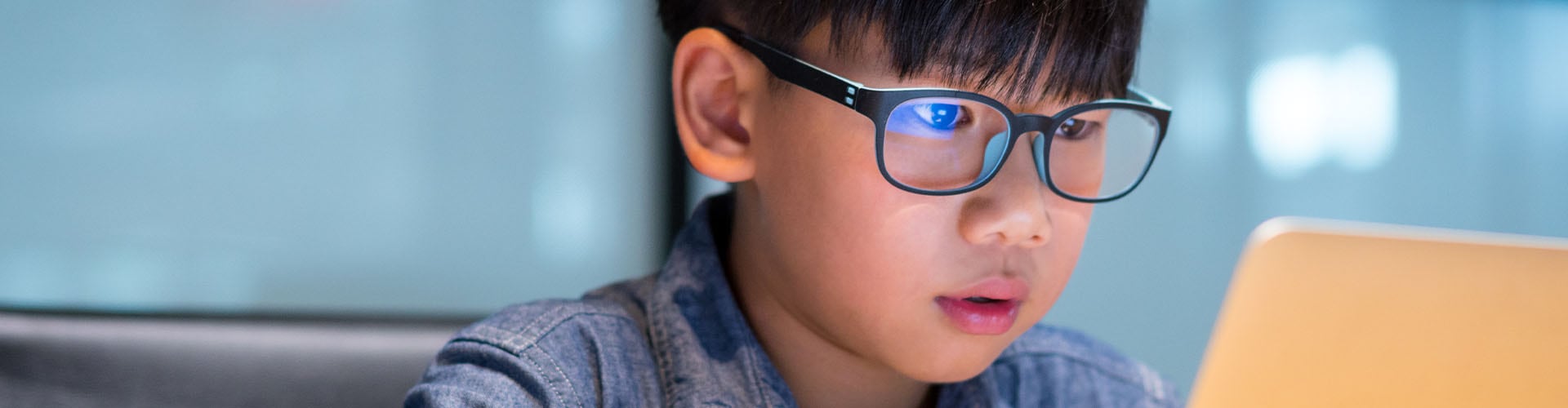
If you have ever worn glasses or contact lenses, you have probably wondered what life might be like if you didn't. Laser eye surgery can help. We will help you navigate the different types of laser eye surgery available and determine whether you are a good candidate for the procedure. We work closely with our local partners TLC Laser Eye Centre and Laser Vision London.
Two most common procedures
- LASIK (Laser-assisted in situ keratomileusis): a flap is cut in the cornea, folded back, the underlying layers are reshaped with a precision laser, then the flap is returned and the cornea repairs itself
- PRK (Photorefractive keratectomy): the top layer of the cornea is removed altogether, and the remaining layers are reshaped with a laser
Who can benefit
- You must be 18 years of age or older
- Your refractive error must not be too great
- Your prescription must be stable
- Your eyes must be in good health (no severe dry eye, infections, or recent trauma)
Not sure what you need? We will help you figure it out.
Book a comprehensive eye exam and we will recommend exactly the right next step. Whether it is a fresh prescription, a specialty referral, or no action at all, you will leave with a clear plan.